Every year, 17 million people die prematurely from preventable disease — parents, workers, and community leaders cut down decades before they should be. UN Sustainable Development Goal 3.4 commits the world to reducing this by one-third. The world is not on track. Aurorus is proud to be one of the founding partners of 63&9, the global coalition built to close that gap.

Non-communicable diseases — cardiovascular disease, diabetes, cancer, chronic respiratory illness — now account for the majority of premature deaths worldwide. Most are preventable, and most are detectable years before they turn fatal.
The barrier has never been the medicine. It has been reaching people early enough, often enough, and cheaply enough to change the outcome — at the scale of entire populations rather than the few who reach a clinic in time.
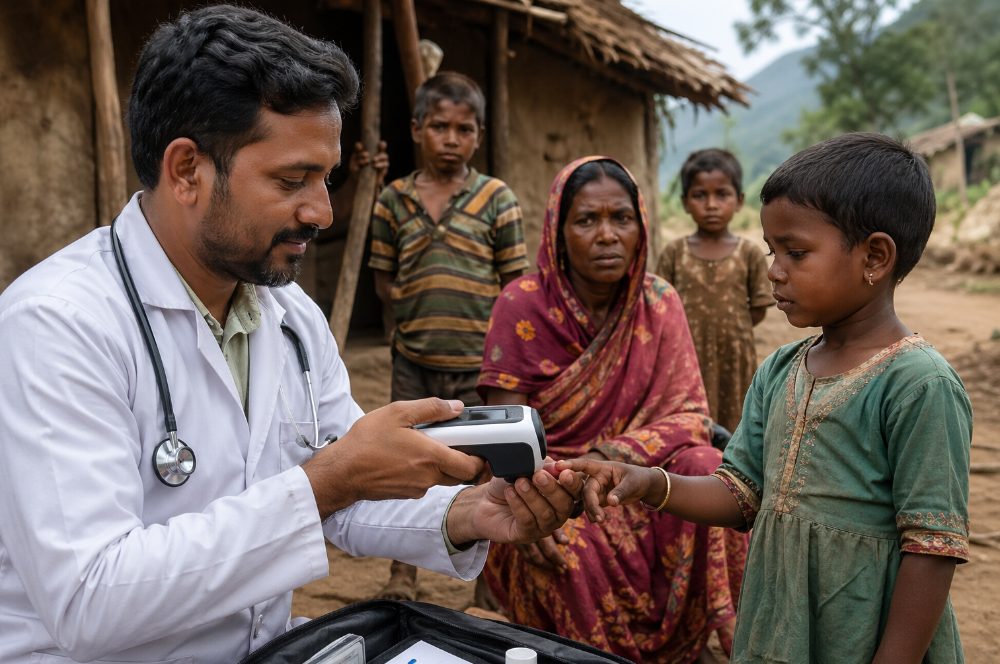
63&9 uses a clinically validated, FDA-cleared handheld device to assess individuals in under seven minutes. The device is battery-powered, requires no needles or consumables, and is deployable in hospitals, clinics, or in the field. Every assessment is held under sovereign-grade data governance and ends with a personalized care pathway — pharmaceutical, primary care, lifestyle, functional medicine, or food-as-medicine — matched to the risk profile of each patient.
Cost-effective screening across entire regions. The patient owns the data, the country retains residency, and an independent Data Trust serves as custodian.
Each result is routed to the appropriate pathway. Multi-modal interventions — pharmaceutical, lifestyle, dietary, and behavioral — are co-deployed and equally resourced.
Pre- and post-intervention reassessment produces objective outcomes. Results are published in peer-reviewed literature and an annual public Scorecard.
A phased global rollout — launching in founding flagships, expanding to seven chapters, then scaling within every region.
Founding Flagships launch across the Americas and Caribbean: Costa Rica, Grenada, Barbados, Vermont, Toronto + Ottawa, Yucatán.
Five additional regional chapters launch: 63&9 Pacific, Africa, South America, Europe, and Asia. All seven chapters operational by 2034.
Within-region expansion across every chapter. Coverage extends to additional jurisdictions, populations, and care settings worldwide.
A regional NCD surveillance and routing infrastructure that did not previously exist — a platform that continues scaling toward 7.5M+ lives saved by 2045.
The instrument is the model. 63&9 isn't a program that happens to use a device — its entire economics, reach, and accountability rest on what Aurorus makes possible: assessing anyone, anywhere, repeatedly, affordably.
A single non-invasive scan replaces phlebotomy, consumables, and lab turnaround. No cold chain, no reagents — a community health worker can run it where no laboratory exists.
Under seven minutes per assessment, on a device that runs without mains power. That throughput is what makes screening entire regions — not just clinic visitors — economically feasible.
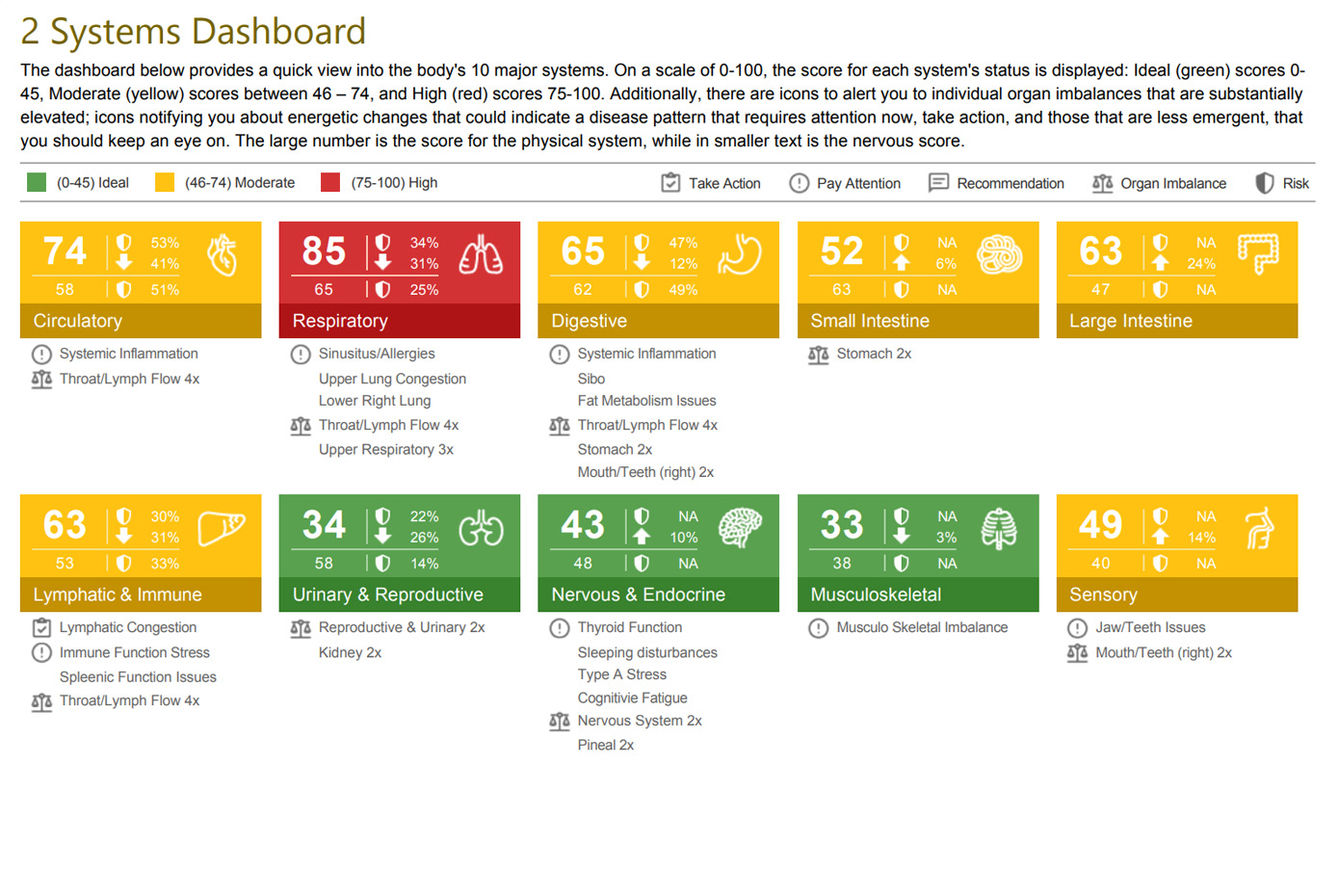
A read across 49 physiological channels triages the full NCD spectrum — cardiometabolic, inflammatory, respiratory — from a single assessment rather than a battery of separate tests.
Every result is quantitative, archivable, and comparable across providers and populations. Pre/post reassessment is what produces the Scorecard and the peer-reviewed evidence base.
The patient owns the data; the country retains residency; an independent Data Trust holds custody. This is what lets governments deploy at national scale with confidence.
FDA De Novo cleared, with peer-reviewed performance across coronary artery disease, diabetes, and metabolic syndrome. Credible enough to serve as public-health infrastructure.
Dive deeper into the technology to see how Aurorus can provide fast, non-invasive assessments at scale.
Explore how it works →
63&9 is seeking founding partners to launch the coalition. Each role is defined; each stakeholder contributes.
Each role is defined; each stakeholder contributes — no single partner controls.
Become a founding partner →FDA De Novo cleared (2016) as a new electrophysiological measurement tool. Peer-reviewed performance: AUC 0.93 coronary artery disease · 0.953 metabolic syndrome. Independent clinical oversight by NAMSA; FDA submission directed by former FDA Deputy Director Phil Phillips.
Cost-per-life-saved derived from a four-channel stacked-impact model (direct screening-to-treatment, behavioral, policy, and care-pathway effects). Full methodology available on request. The 63&9 Fund at Haven Charitable · barret@havencharitable.org