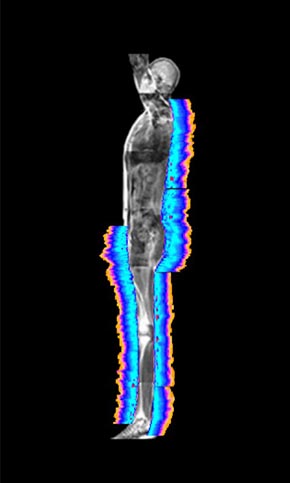
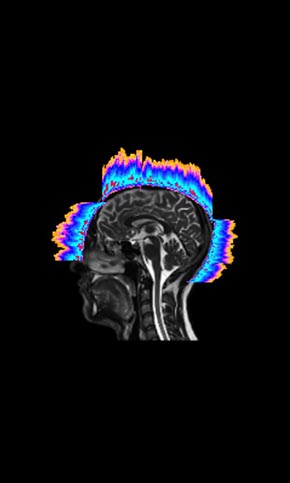
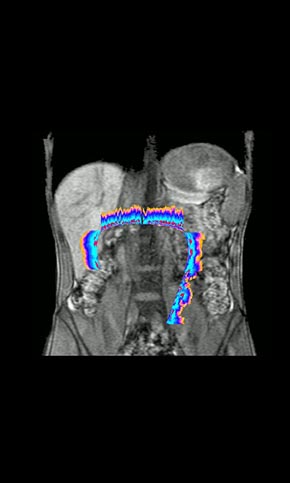
The most common question we get is a fair one: how can a fingertip scan, in under seven minutes, say anything meaningful about 49 organ systems? Without context it can feel like magic. So here's the curtain pulled back — not the proprietary algorithms, but the logical, defensible signal chain that turns faint light off your skin into a system-level read.
Living tissue has measurable electrophysiological properties — the skin's conductivity, capacitance, and the autonomic activity beneath it all vary with your body's physiological state. Aurorus reads those properties at the fingertip using a controlled, low-intensity discharge, and turns the resulting pattern into a signal. Nothing is injected and nothing is inferred from a questionnaire — it's a direct physical measurement.
Your fingertip happens to be one of the most information-rich places to read them.
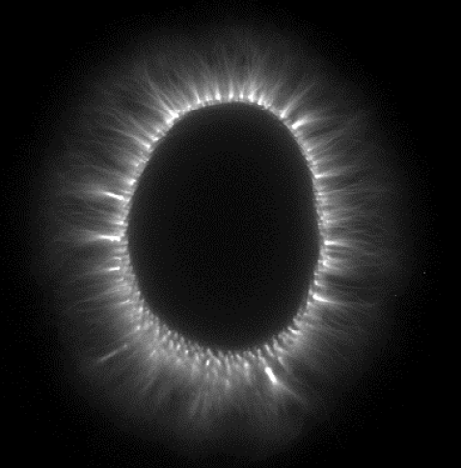
A high concentration of nerve endings and mitochondria packs a lot of metabolic activity into a small, readable area.
As part of the peripheral nervous system, the fingertip reflects whole-body signaling, not just what's happening locally.
Cellular communication is interconnected, so a local read carries information that has propagated from across the body.
Place a finger on the sensor and Aurorus captures that electrophysiological signal in real time. Nothing vague, nothing inferred from a questionnaire.
Four steps turn a faint flicker of light into something a clinician can act on. Here's each one, in plain terms.
A gentle, high-frequency voltage impulse under the glass electrode produces a controlled discharge at the fingertip — without harming tissue — while a sensitive camera records the resulting pattern from each finger. All ten fingers, in sequence, with repeat reads for consistency. This phase takes a few minutes, which is how the full scan stays under seven.
Raw signal is faint and easily swamped by stray light, temperature shifts, or a little movement. Signal processing separates the biological signal from the environment, keeps only what repeats reliably, and automatically flags a poor scan for a re-read. Only clean, reproducible signals move forward.
The clean signal is measured for things like intensity, spatial pattern, timing, spectrum, and complexity. These features track with well-studied electrophysiological and metabolic markers — oxidative stress, autonomic tone, and ion-channel activity — grounded in the empirical validation and discharge physics behind the measurement.
Because the body works as one connected physiological network, those features are correlated to 49 organ systems through the mapping validated in our studies. The result is a quantitative profile of activity, balance, and stress across all 49 — shown as clear visual maps and reports.
The signal comes from your fingertip, but the patterns reflect the body's physiological state. It's the same logic as a single blood sample reflecting multiple systems at once — the signaling is systemic, so a local read carries more than local information.
Aurorus produces a functional, system-level assessment — relative activity, balance, and stress across systems — not a structural picture of anatomy. That's a strength, not a gap: it can surface subtle shifts that standard imaging often misses, well before they'd show up on a scan.
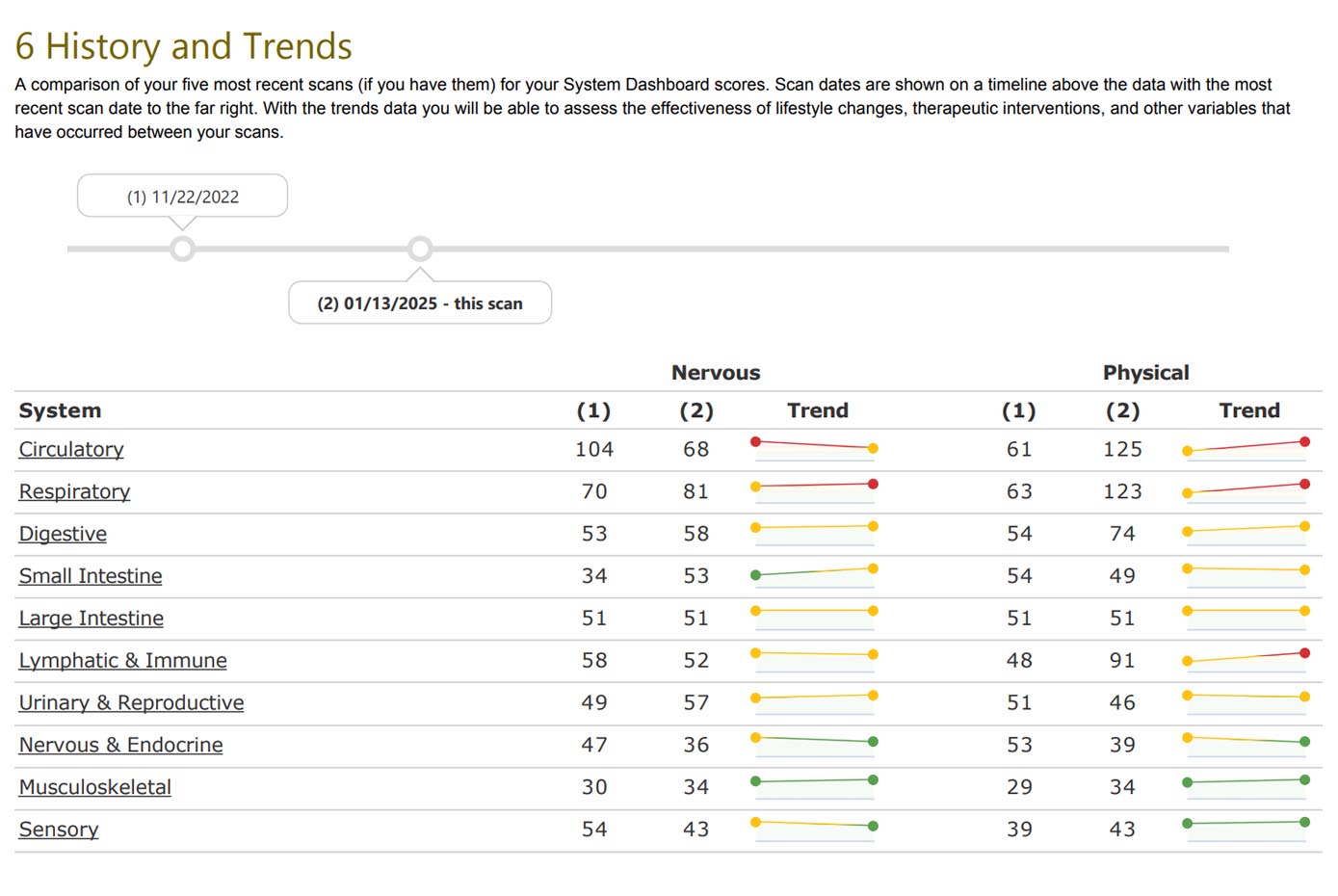
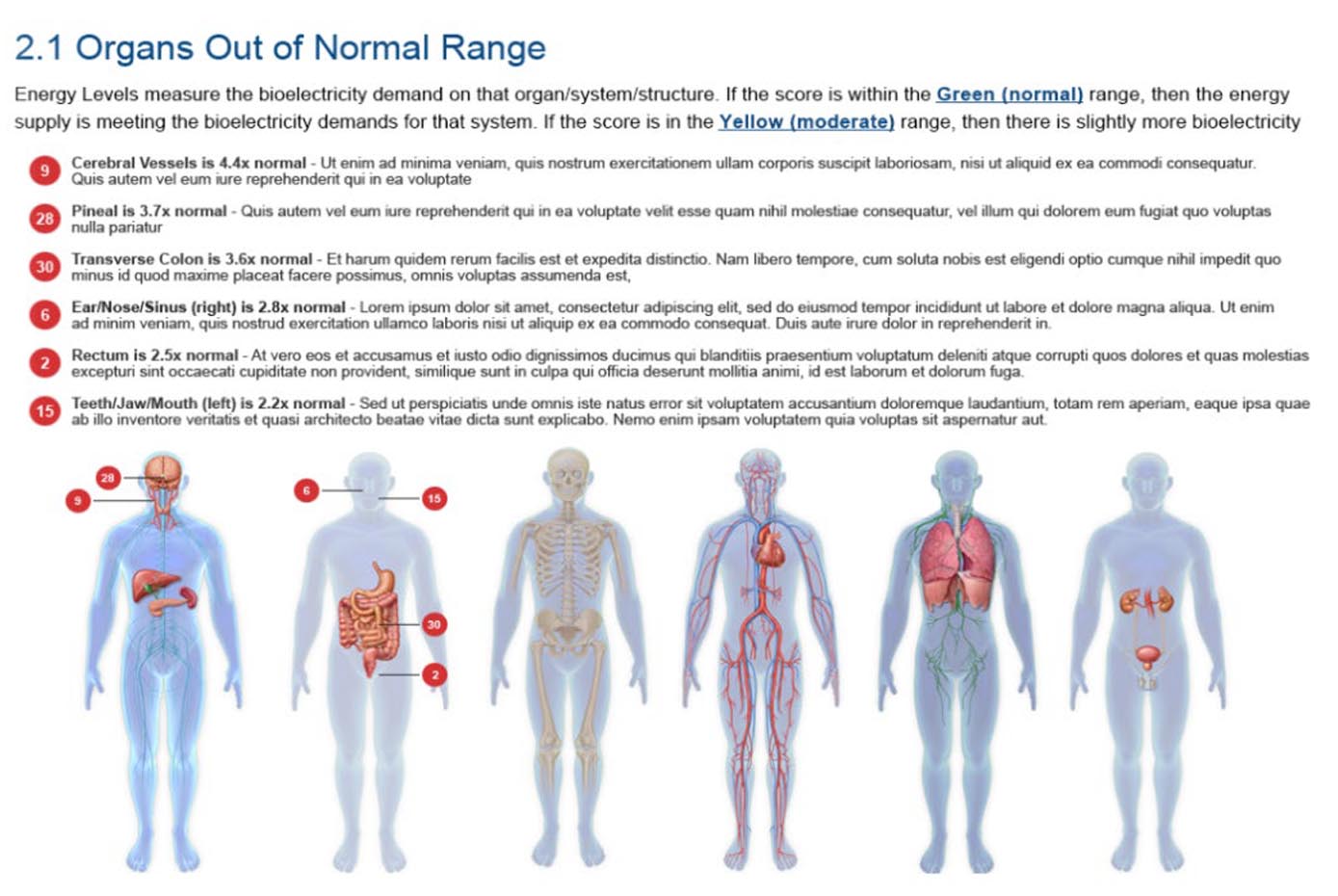
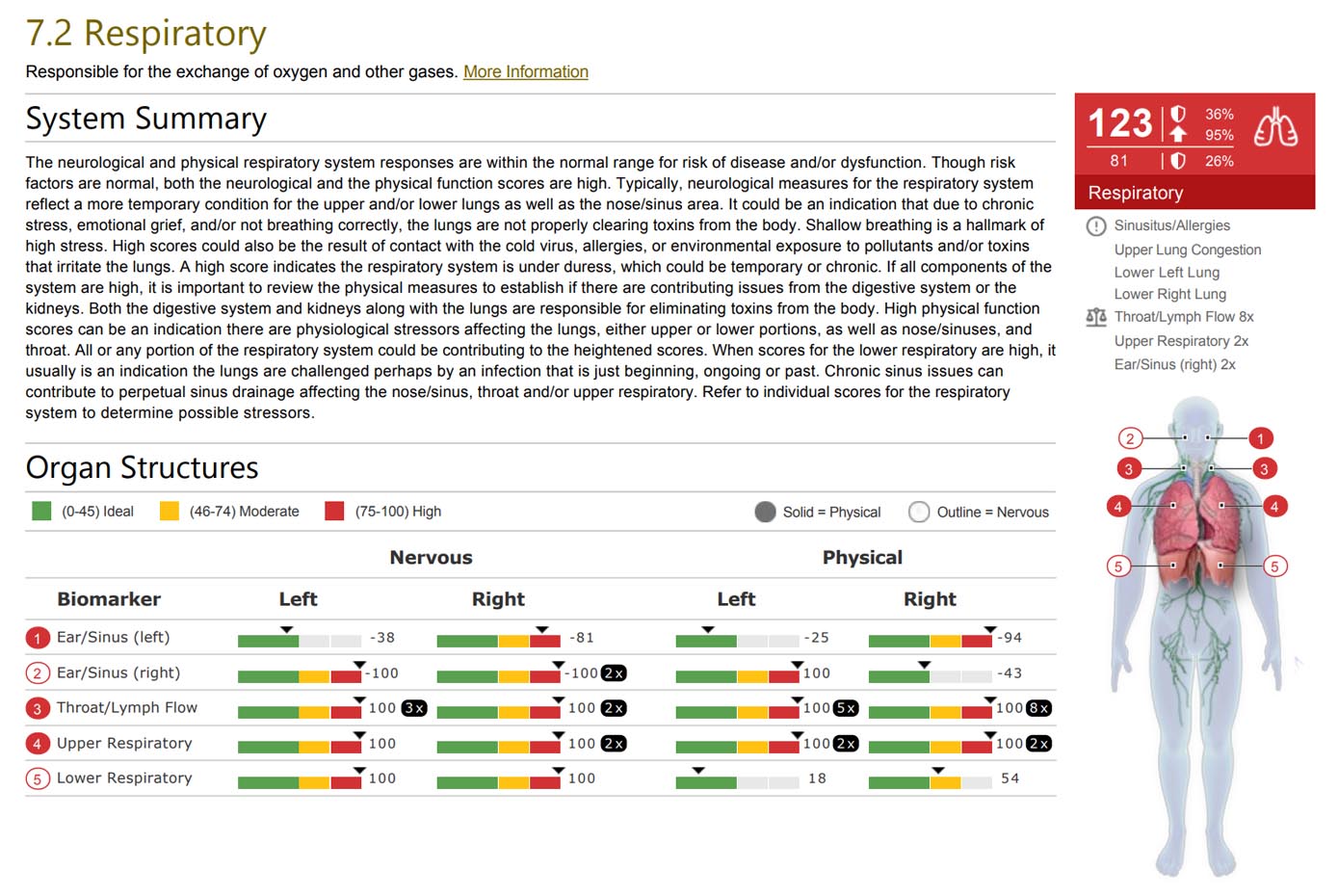
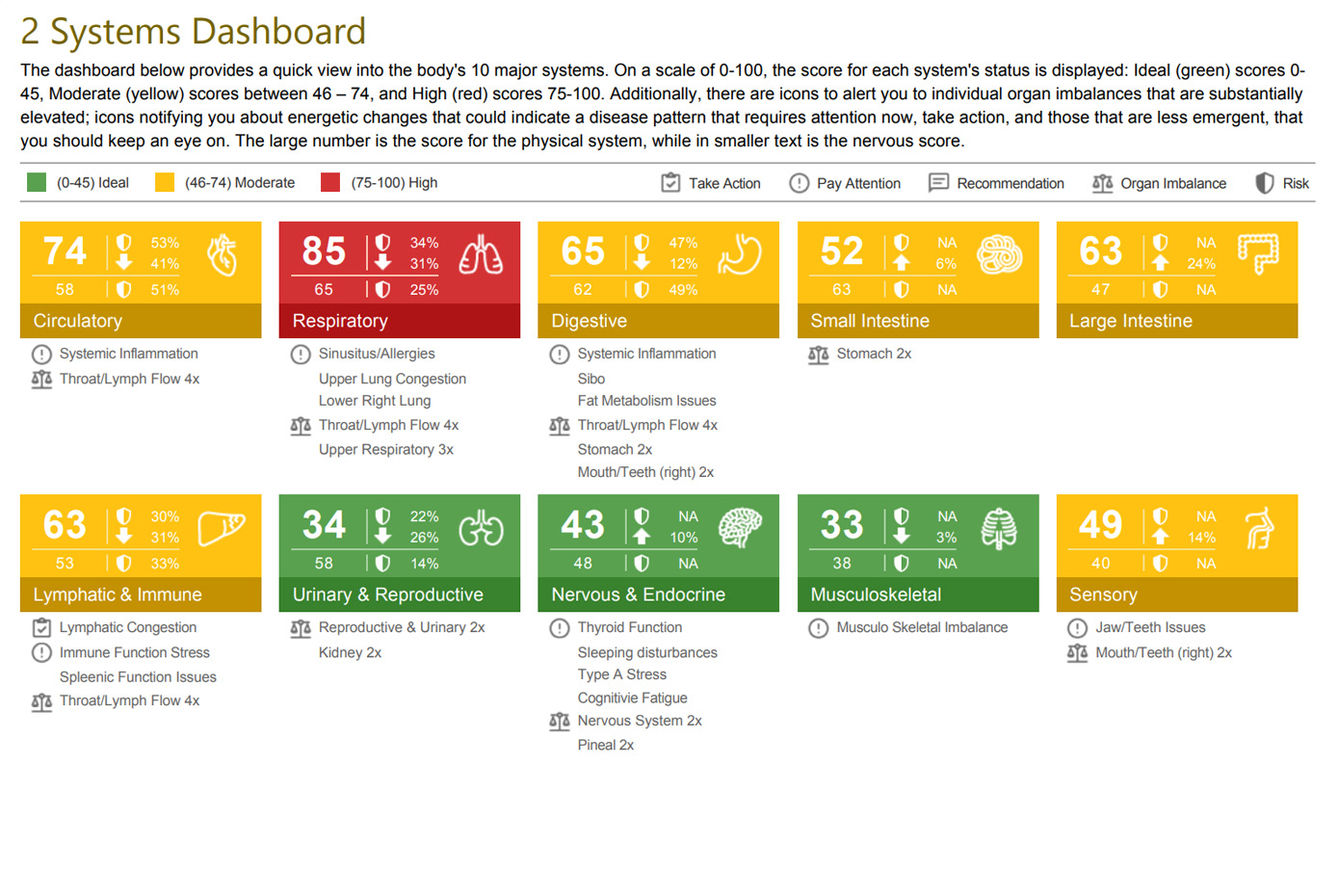
A 49-system functional report — each system scored and color-coded, the organs running out of range, trends against prior scans, and per-system detail. The readable end of the signal chain.


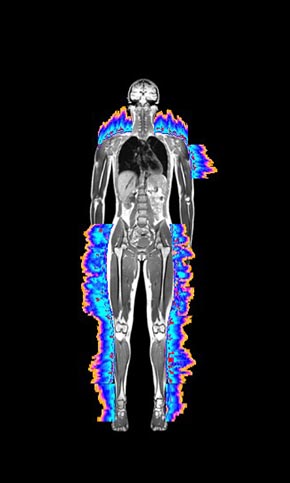
The same signal rendered spatially — the measured readout mapped to a body model, shown as color against anatomy. Consistent bands indicate systems in balance; disrupted bands flag systems running out of range.


Explaining the "how" only works if we're equally clear about the limits. Here's the honest version.
Where this is heading. As additional research and validation studies progress, we anticipate pursuing FDA clearance for targeted diagnostic indications — and future work aims to elucidate structural biological detail. Today, Aurorus is used as a strong complementary assessment tool alongside conventional diagnostics.
Going from a fingertip signal to a 49-system functional map in minutes opens a view of the body's physiological state that was previously inaccessible at this speed and scale — for clinicians, researchers, and wellness practitioners alike.
The Aurorus scan is painless, radiation-free, and takes under seven minutes. Whether you're exploring functional medicine, sports-recovery monitoring, or neurological research, the signal chain is designed to deliver trustworthy, reproducible insight.
Aurorus is an electrophysiological measurement system cleared by the FDA under De Novo classification (DEN150004). It does not replace clinical judgment, definitive care, or laboratory testing where required.