01Vessels & offshore platforms
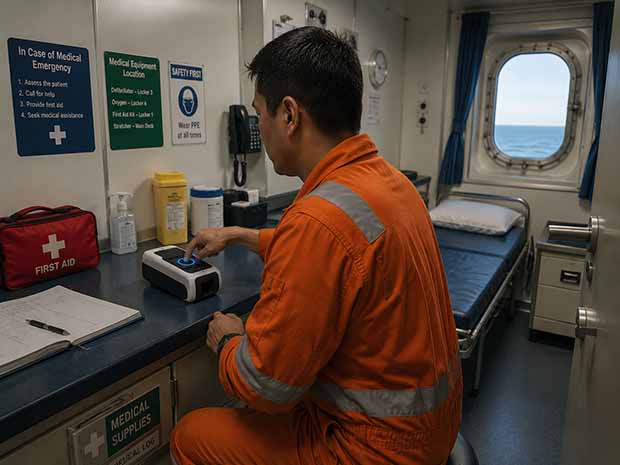
Days from the nearest port, with evacuation measured in hours to days. A single unit gives the ship's medical officer an objective read on the spot — to store, send by satellite, or escalate as the link allows.
Aurorus gives crews and medical officers an objective read on a person's physiological state in minutes, wherever the mission goes. It's rugged, battery-powered, and built to travel, with no lab, no consumables, no needle, and no specialist required. On a ship days from port, in the cockpit, or aboard a station in orbit, it does two jobs: triage and monitor when definitive care is out of reach, and evaluate the readiness and fatigue of the people the mission depends on.
01Days from the nearest port, with evacuation measured in hours to days. A single unit gives the ship's medical officer an objective read on the spot — to store, send by satellite, or escalate as the link allows.
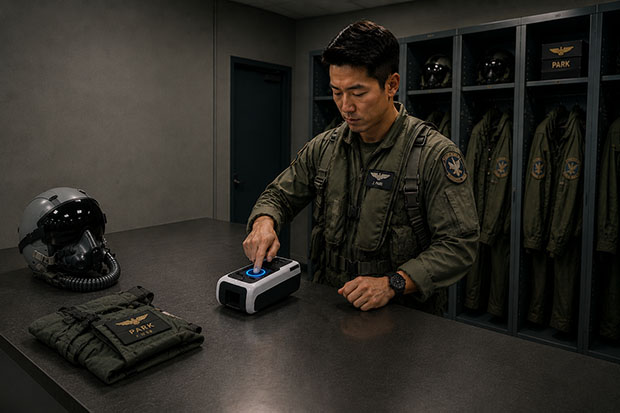
02An objective baseline for the people in the seat. Fast, repeatable scans support fit-to-fly screening and surface accumulating fatigue before it shows up in performance.
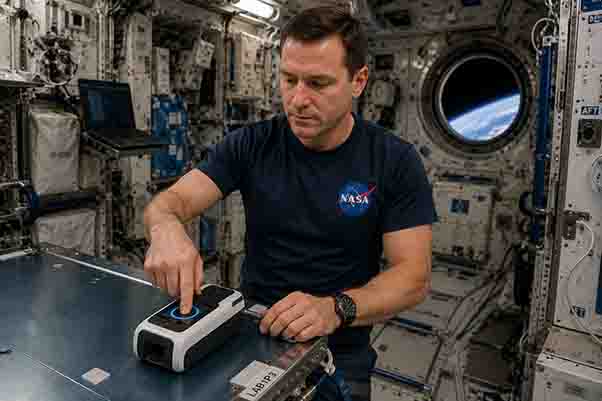
03Crews operate further from definitive care than anywhere humans go. A carried, consumable-free read supports both in-flight monitoring and ongoing readiness across a long-duration mission.
Images are for illustrative purposes only.
Every constraint of sea, air, and orbit was a design requirement: limited mass and power, no cold chain, no consumable supply line, no specialist operator, and no assumption of a network.
A self-contained handheld unit that travels in a standard medical pack. No tethered console, no fixed install, no fragile bench instrument to keep level.
Runs off its own rechargeable battery for a full watch — chargeable from ship's power, an aircraft outlet, or portable solar. Functions completely independent of grid power.
Nothing to resupply, refrigerate, or dispose of as biohazard. No reagents, no cartridges, no sharps — the supply line that usually fails in the field simply isn't there.
A guided seven-minute scan operable by a medic, nurse, or trained health worker. The skill sits in the device, not in years of phlebotomy or lab training.
The scan does not depend on a connection. Data is captured and stored on the device, then moves the moment any channel becomes available — across four independent paths, so the read reaches a clinician whether the unit is alongside a pier, mid-ocean, or in orbit.
Offline-first by design. When no link exists, the scan is still performed and the data is held on the device — store-and-forward means it syncs automatically the next time the unit sees a network. The crew is never blocked by the absence of a signal.
An objective layer under two kinds of decision: caring for someone when help is hours or days away, and judging whether a crew is ready for what's ahead.
At sea and in orbit, evacuation is slow, costly, or simply impossible for a stretch. A quantitative read of physiological state gives the medical officer something objective to act on now, and to re-read every interval as a situation develops — without a lab that isn't there.
A fast, repeatable baseline for the people the mission depends on. Aurorus adds an objective layer to fit-to-fly and fit-for-duty screening for aircrew and astronauts — supporting, not replacing, the flight surgeon's determination.
Fatigue builds quietly across a watch rotation, a sortie schedule, or a long-duration mission. Serial scans turn it into a trend rather than a guess, surfacing accumulating load before it shows in performance or judgment.
A medical diversion, an offshore medevac, or an early return from orbit is scarce, expensive, and sometimes irreversible. Objective data sharpens the stay-or-evacuate and abort decisions that determine where those resources actually go.
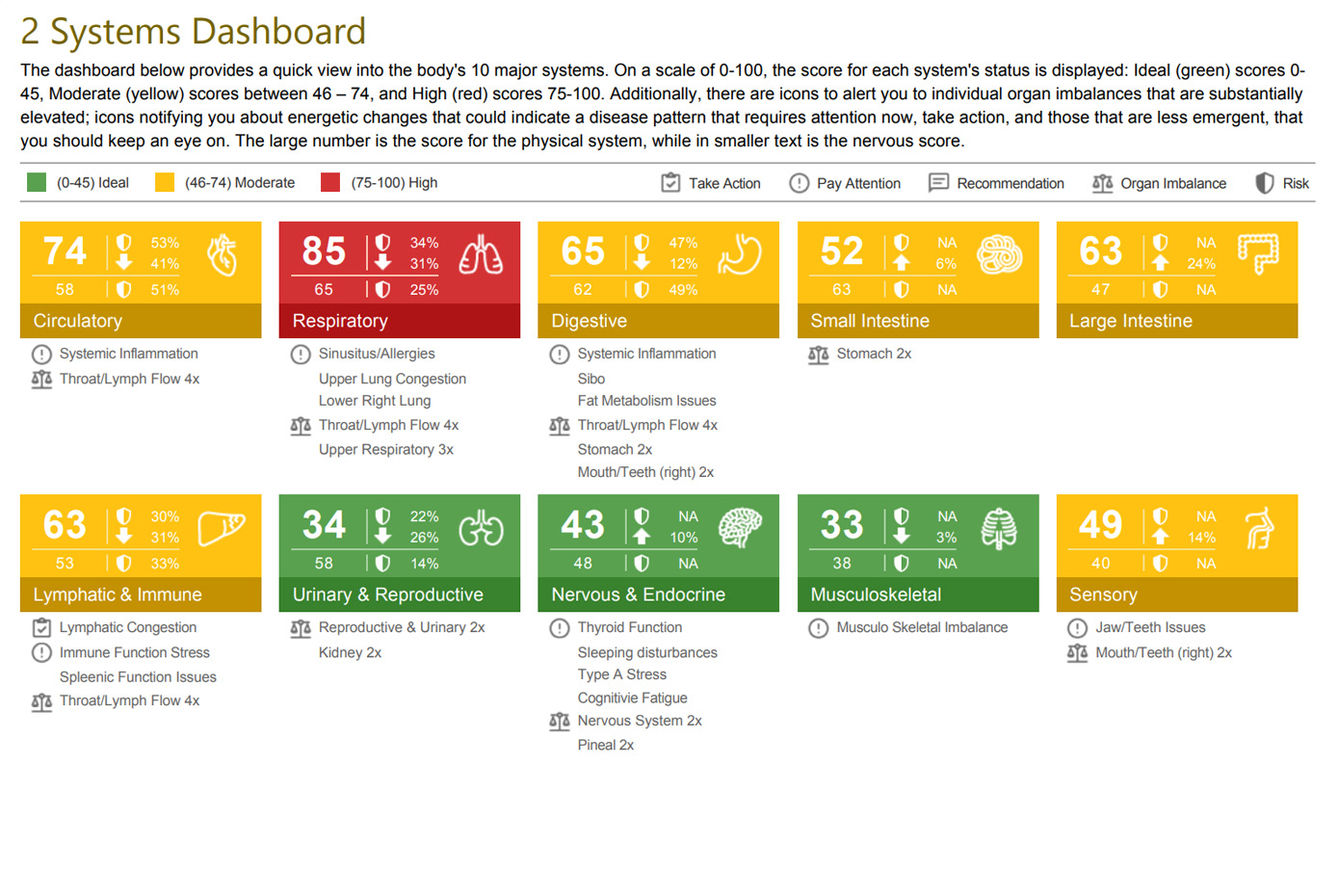
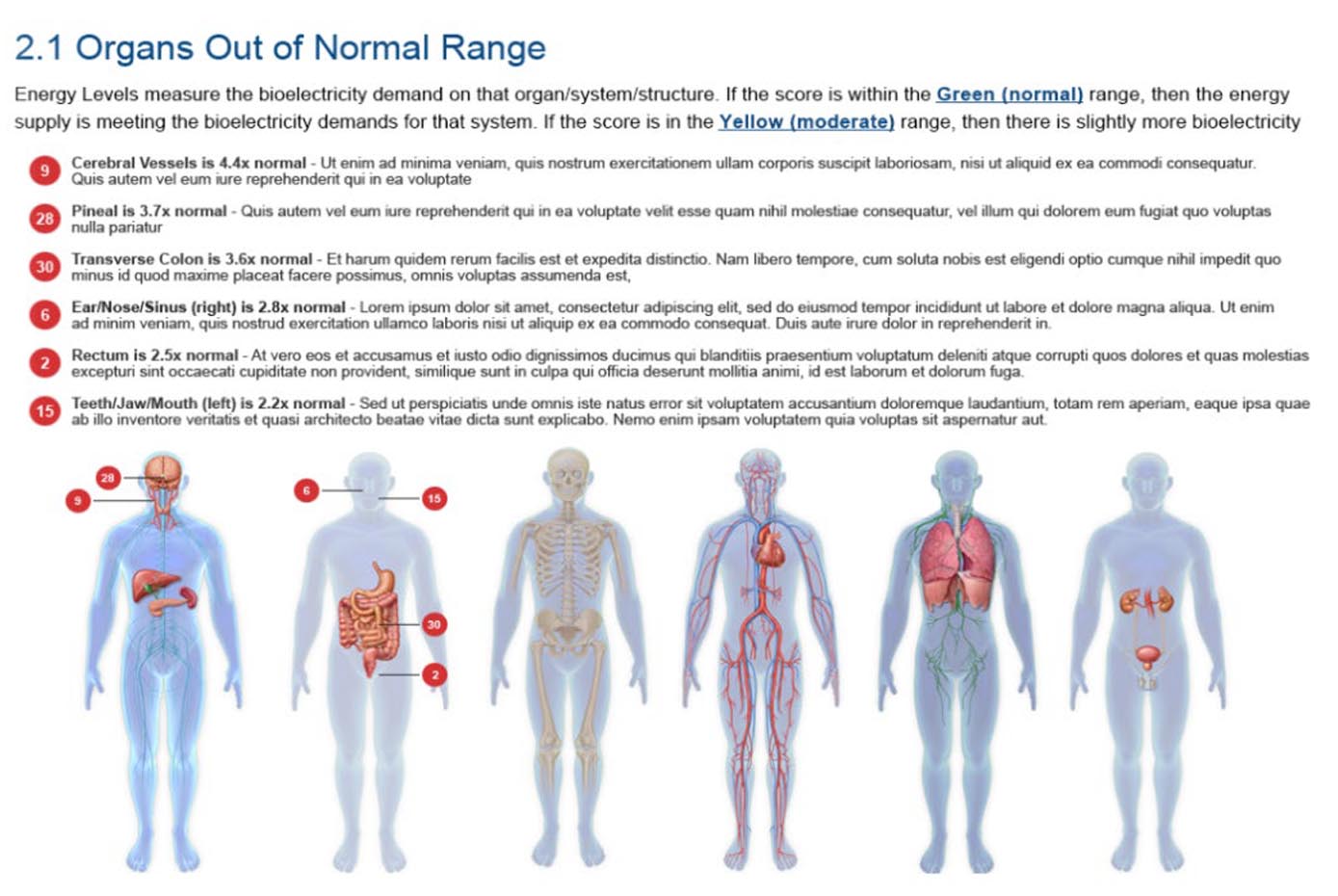
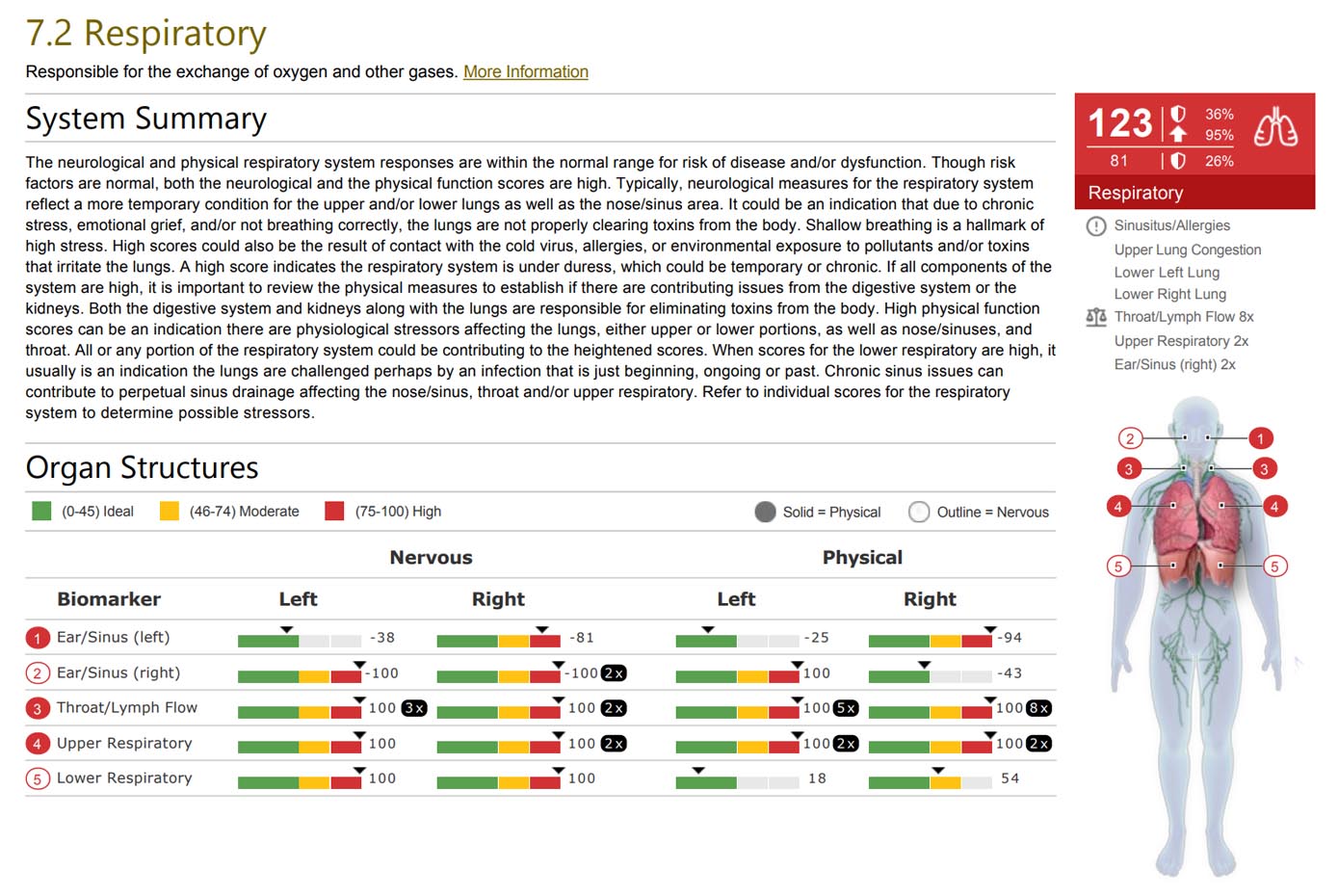
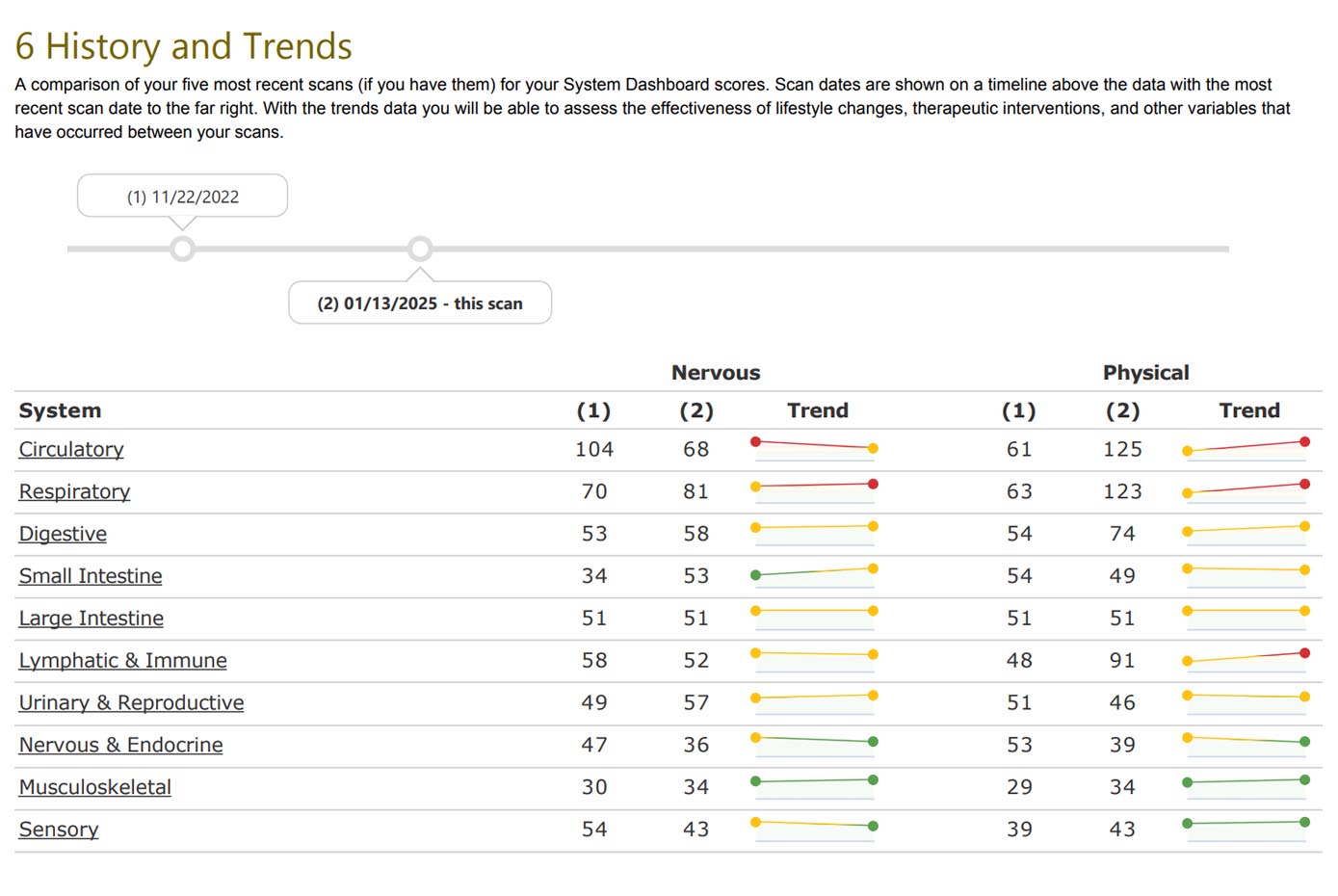
The seven-minute scan resolves into a readout the crew can act on in the moment and a clinician can read anywhere it lands — a color-coded view of the body's major systems, the organs running out of range, and how today's numbers compare to the last scan.


High-isolation, high-stakes environments are exactly where overstating a tool's reach does the most harm. We are deliberate about Aurorus's role.
Tell us where you operate and what you're trying to assess. We'll route the conversation to the right person on our team.
For ship operators, offshore energy, and cruise & merchant fleets running medicine far from port.
Deployment conversation →For airlines, military aviation, and flight-medicine programs assessing aircrew readiness and fatigue.
Program inquiry →For space agencies and commercial spaceflight programs supporting crew health on long-duration missions.
Mission briefing →Aurorus is an electrophysiological measurement system cleared by the FDA under De Novo classification (DEN150004). It is not an in-vitro diagnostic and does not replace clinical judgment, definitive care, or laboratory testing where required.